
Can Teeth Whitening Remove All Types of Stains?
Not all tooth stains respond the same way to whitening treatment. While Opelika teeth whitening can dramatically brighten many smiles, the results depend on the type and cause of the discoloration. Understanding the difference between stain types can help you choose the most effective treatment for a brighter, healthier-looking smile.
What Types of Tooth Stains Can Teeth Whitening Remove?
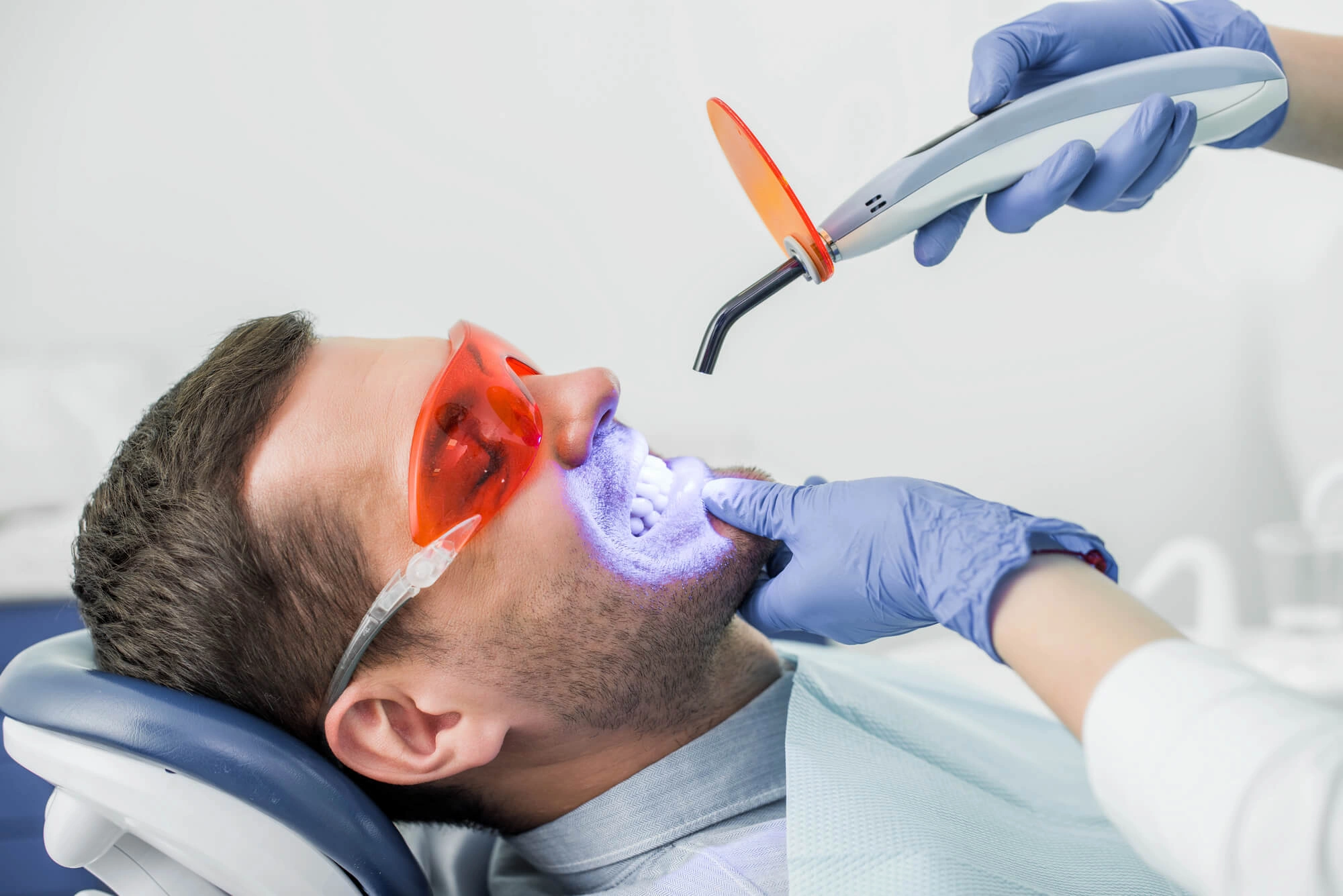
Professional teeth whitening is highly effective at removing many common stains, particularly those that affect the outer layer of the tooth, known as the enamel. These surface stains develop over time from everyday habits and are often the easiest to treat.
The most common causes of surface stains include:
- Coffee and tea
- Red wine
- Dark-colored sodas
- Tobacco use
- Certain foods, such as berries and tomato-based sauces
- Natural aging
Professional whitening treatments use powerful whitening agents that break down these stains, helping restore a noticeably brighter smile.
Extrinsic vs. Intrinsic Stains
Understanding the two main types of tooth stains can explain why whitening works well for some people but less effectively for others.
Extrinsic Stains
Extrinsic stains occur on the outside of the tooth and are caused by foods, beverages, smoking, and everyday wear. These stains usually respond very well to professional whitening treatments.
Intrinsic Stains
Intrinsic stains develop inside the tooth and are often more difficult to remove. They may result from:
- Certain medications, including tetracycline antibiotics
- Dental trauma
- Excessive fluoride exposure during tooth development
- Natural changes within the tooth over time
Because these stains are located beneath the enamel, traditional whitening treatments may have limited results.
What If Whitening Doesn't Remove Every Stain?
If intrinsic stains are present, your dentist may recommend other cosmetic treatments to improve your smile. The right solution depends on the severity and cause of the discoloration.
Possible treatment options include:
- Professional teeth whitening for mild internal discoloration
- Dental bonding to cover localized stains
- Porcelain veneers for severe or stubborn discoloration
- Dental crowns if the tooth is also damaged
A dental evaluation helps determine which treatment will provide the best cosmetic outcome.
How Can You Keep Your Teeth White Longer?
After professional whitening, maintaining good oral hygiene and healthy habits can help preserve your results.
Brush and Floss Daily
Removing plaque and surface stains each day helps keep teeth looking brighter between dental visits.
Limit Staining Foods and Drinks
Coffee, tea, wine, and dark-colored beverages can gradually stain teeth again. Using a straw when appropriate and rinsing with water afterward may help reduce discoloration.
Schedule Regular Dental Cleanings
Professional cleanings remove plaque and surface stains that brushing alone cannot eliminate, helping your smile stay brighter over time.
With proper care, many patients enjoy long-lasting whitening results while maintaining excellent oral health.
Is Opelika teeth whitening Right for Your Smile?
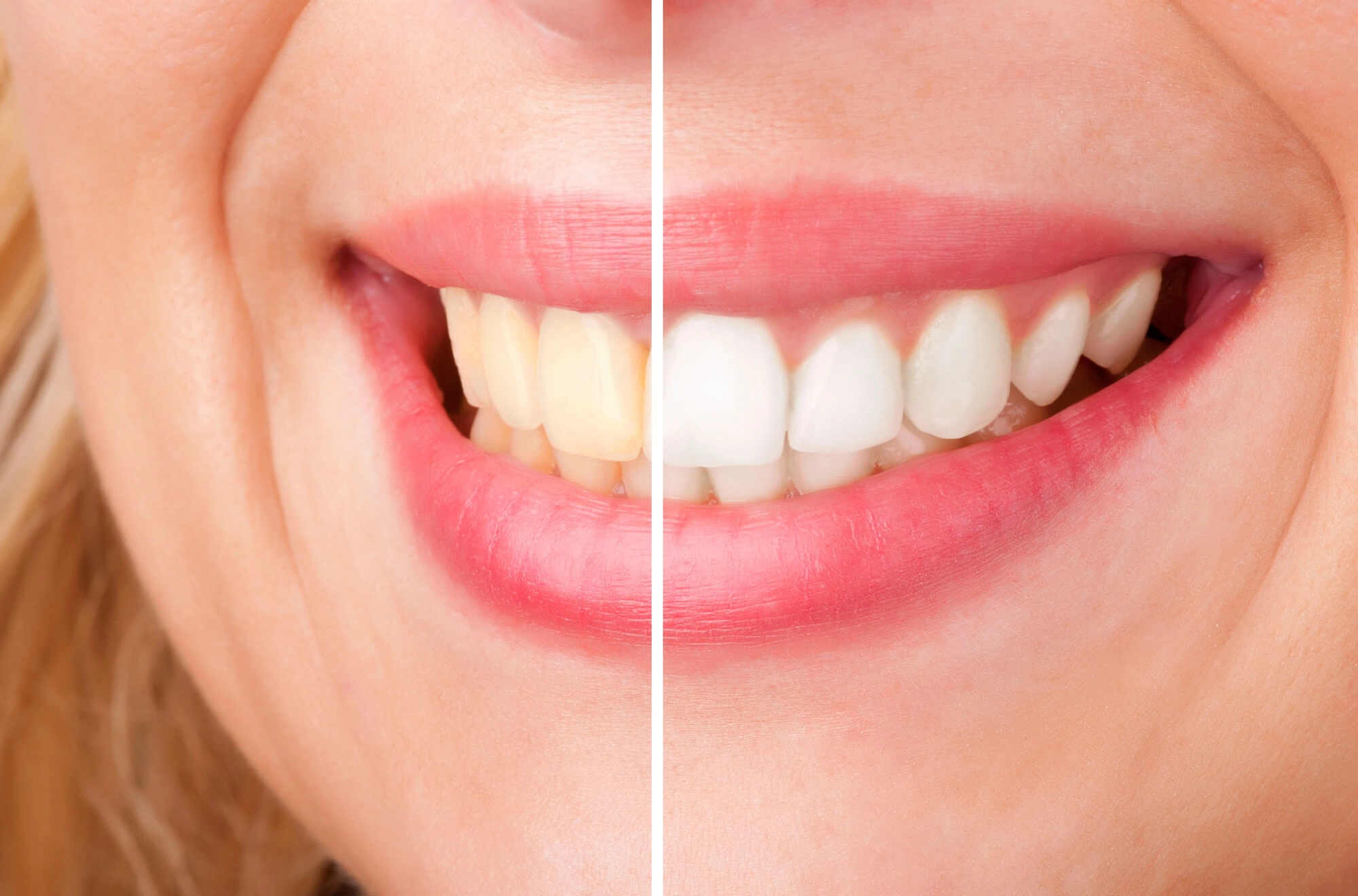
Professional whitening can significantly improve many types of tooth discoloration, but not every stain responds the same way. A personalized dental evaluation is the best way to determine which cosmetic treatment will achieve your desired results. The experienced team at Opelika Dental Associates can assess your smile, identify the cause of your discoloration, and recommend the most effective whitening or cosmetic solution. Schedule your consultation today to achieve a brighter, more confident smile.
