
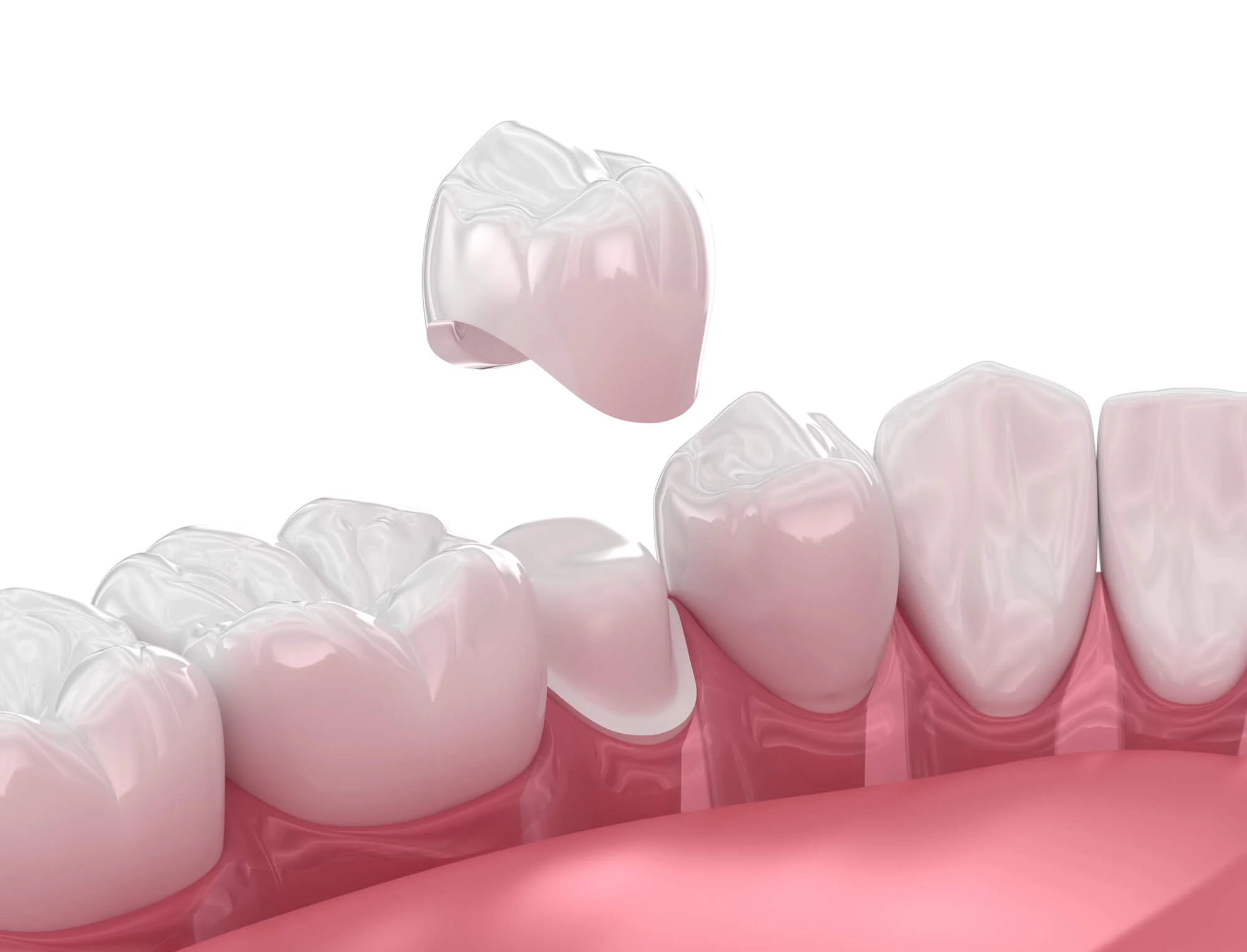
Why You Need a Crown After a Root Canal
A dental crown protects a tooth after a root canal by restoring its strength and preventing cracks or reinfection. Treated teeth become more brittle over time, especially back teeth that handle heavy chewing. If you're planning a root canal in Auburn, adding a crown helps your tooth last for many years.
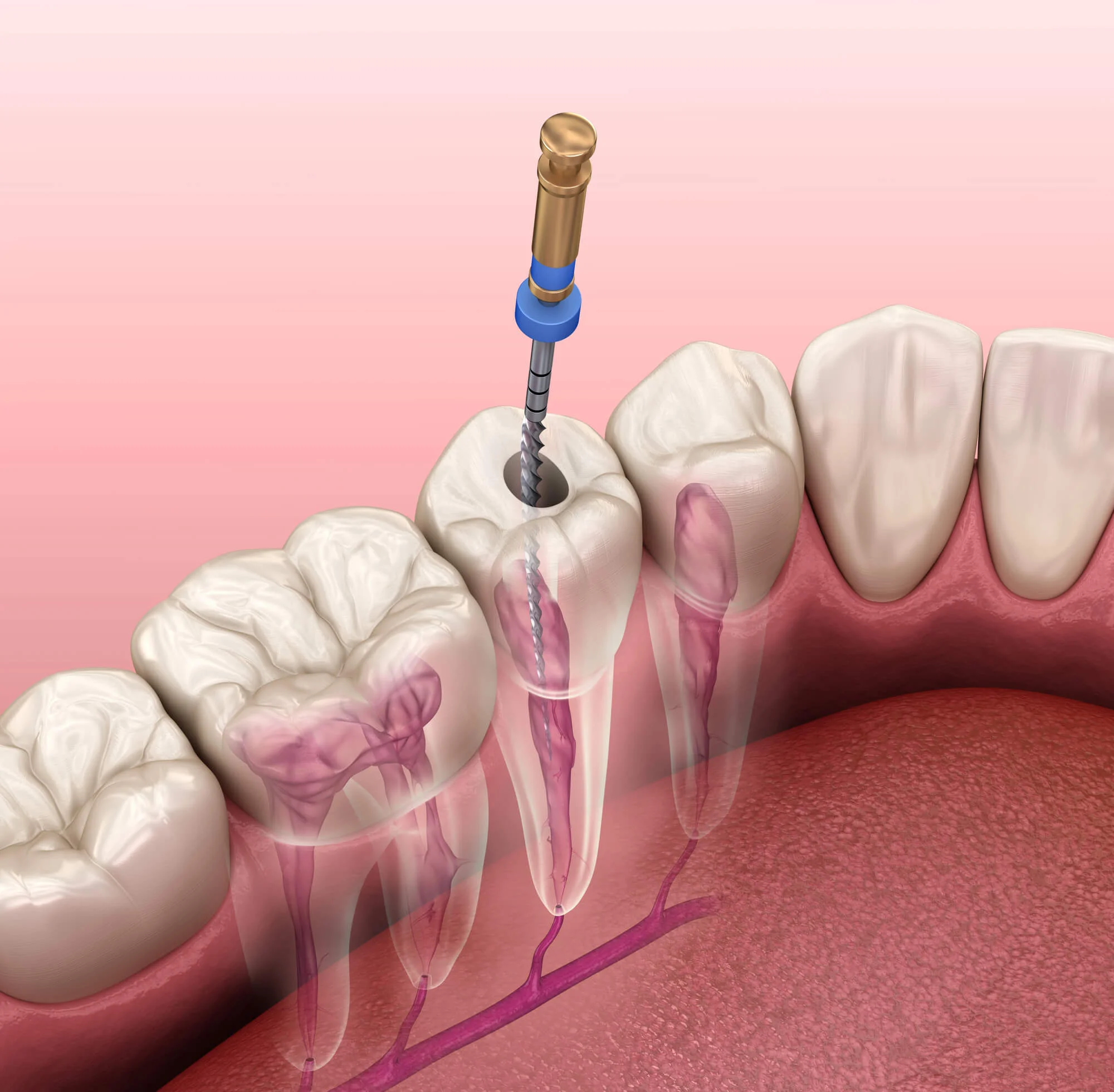
How a Crown Protects a Treated Tooth
During a root canal, your dentist removes infected or inflamed pulp from inside the tooth. This saves the tooth but leaves it hollow and weaker than before. A crown covers the entire tooth like a protective cap. It holds the tooth together and shields it from everyday biting forces.
Treated Teeth Become More Brittle
The pulp supplies moisture and nutrients to your tooth. Once it's removed, the tooth can become dry and more prone to fractures. A crown helps prevent cracks that could otherwise lead to tooth loss.
Sealing Out Bacteria
A temporary filling closes the tooth after a root canal, but it isn't designed to last. Bacteria can leak through over time and cause reinfection. A permanent crown creates a strong seal that keeps bacteria out and protects your results.
Which Teeth Need a Crown?
Not every tooth needs a crown after a root canal, but most back teeth do. Your dentist will consider the tooth's location, how much natural structure remains, and your bite. Crowns are often recommended for:
- Molars and premolars that handle heavy chewing
- Teeth with large fillings or extensive decay
- Teeth that were already cracked or chipped
- Teeth with little remaining natural structure
- Patients who grind or clench their teeth
Front Teeth Exceptions
When a Filling May Be Enough
Front teeth experience less chewing pressure than back teeth. If enough healthy structure remains, a filling may be enough to restore them. Your dentist will evaluate your tooth and recommend the best option for long-term success.
What Happens If You Skip the Crown?
Delaying or skipping a crown can put your treated tooth at serious risk. The tooth may crack, break below the gumline, or become reinfected. In many cases, a severely damaged tooth cannot be saved and must be extracted. Placing a crown promptly protects both your tooth and your investment in treatment.
Frequently Asked Questions
How soon should I get a crown after a root canal?
Most dentists recommend placing a crown within a few weeks after treatment. Waiting too long increases the risk of fractures and reinfection. Your dentist will schedule your crown at the right time.
Does getting a crown hurt?
The area is numbed before your crown is prepared, so you should feel little discomfort. Since the tooth's nerve was removed during the root canal, sensitivity is usually minimal. Mild gum soreness may last a day or two.
How long will my crown last?
With good care, a crown can last 10 to 15 years or longer. Brush twice daily, floss regularly, and keep up with routine checkups. Avoid chewing hard objects like ice to protect your restoration.

Get a Root Canal in Auburn With Lasting Protection
Saving your natural tooth is worth protecting with the right restoration. The experienced team at Opelika Dental Associates provides gentle root canal therapy and custom crowns designed to last. Schedule your appointment today and keep your smile strong and healthy.
